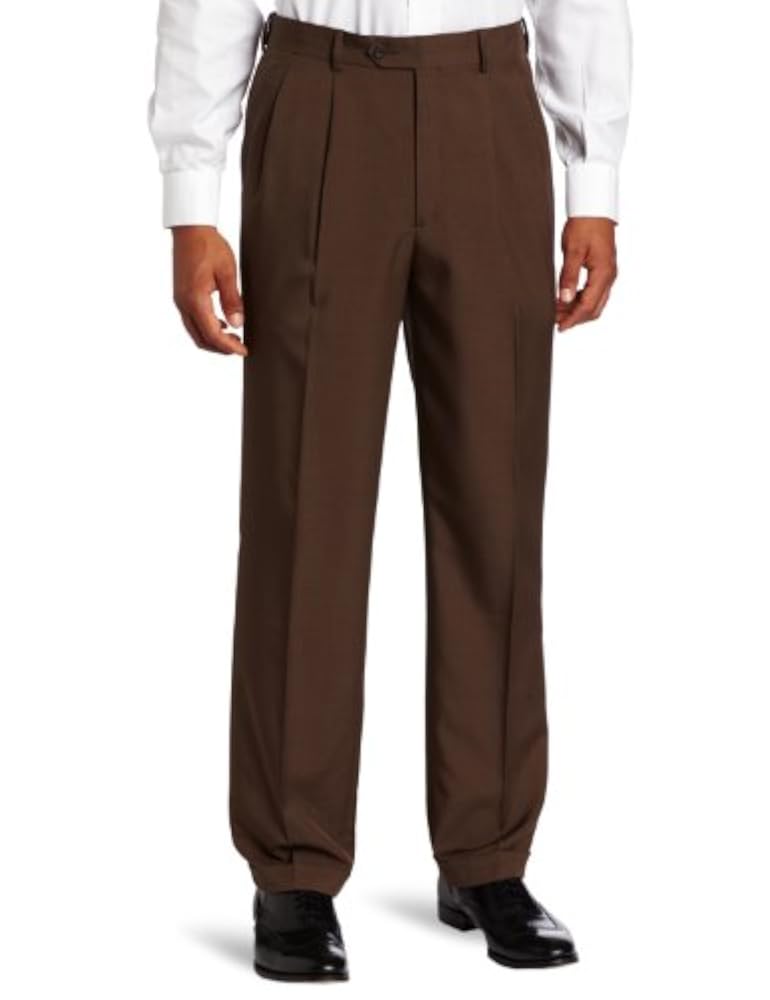
Select Edition Microfiber Pleated Dress Pant
4.4 out of 5 from 919 ratings
$64.99
- Classic
- Pleated
Waist 42 to 42, inseam 30 to 30
Length
Waist is the number men know. Inseam is the number that decides whether the trouser looks like it was bought for you.
Take a pair you already like, lay them flat with the legs together and measure the inner seam from where the four seams meet down to the hem. That figure is your inseam, and it is the figure printed on our labels.
Measuring your own leg while standing gives a number that is close but not the same, because it does not account for how the trouser sits on your waist. If your waistband sits lower than the tape did, the trouser will read long.
Break is the fold that forms where the hem meets the shoe. No break means the hem stops clean at the top of the shoe. A half break puts one soft fold in. A full break rests the hem on the shoe and pushes a proper crease into the front of the leg.
Dress trousers usually carry a half break, which is forgiving and looks intentional whether you are standing or seated. Chinos and casual trousers read better with little or none, because a stiff cotton fold sits awkwardly.
Inseams come in two inch steps, so half the time your measurement lands between them. Take the shorter one for chinos and casual trousers and the longer one for dress trousers you will wear with proper shoes.
Shorts are the exception, because they are sold by waist alone and cut to a fixed length above the knee. There the only number that matters is the waist.
4.4 out of 5 from 919 ratings
$64.99
Waist 42 to 42, inseam 30 to 30
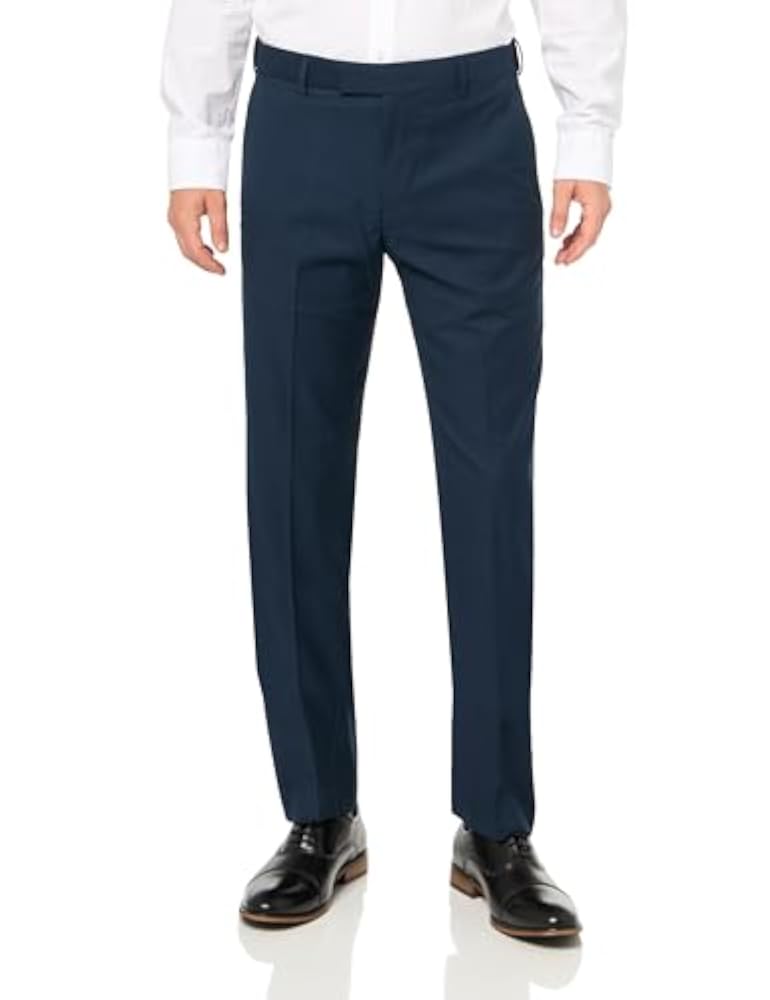
4.2 out of 5 from 468 ratings
$44.05 - $59.99
Waist 30 to 42, inseam 29 to 32 · 4 colours
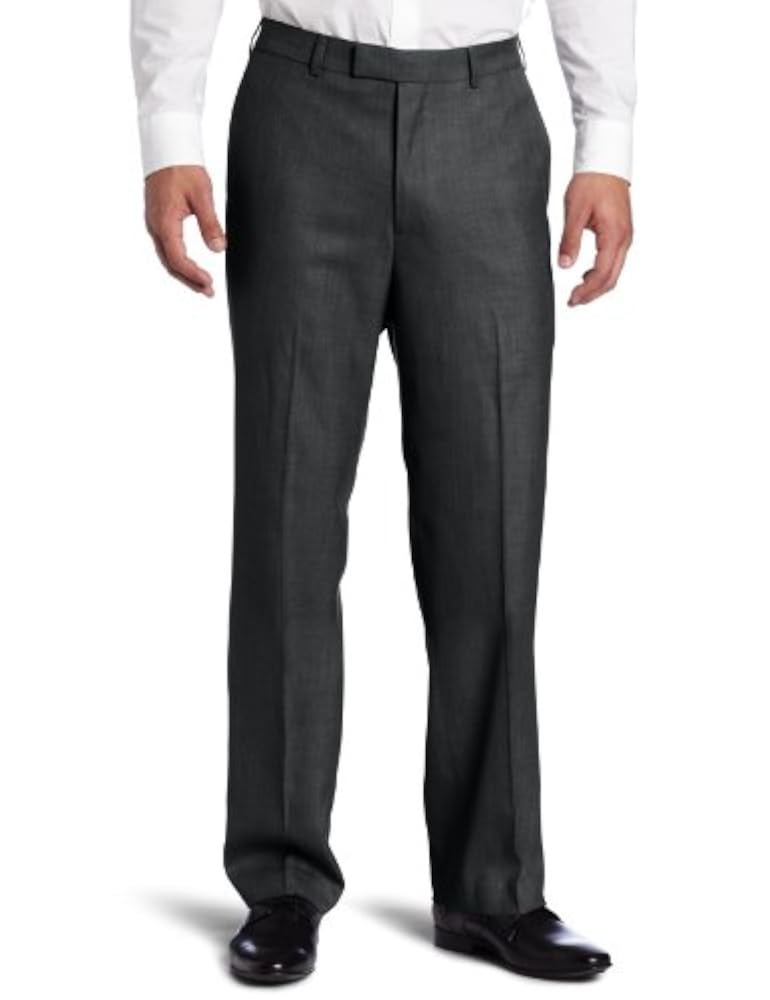
4.2 out of 5 from 349 ratings
$54.99
Waist 50 to 52, inseam 32 to 32 · 2 colours
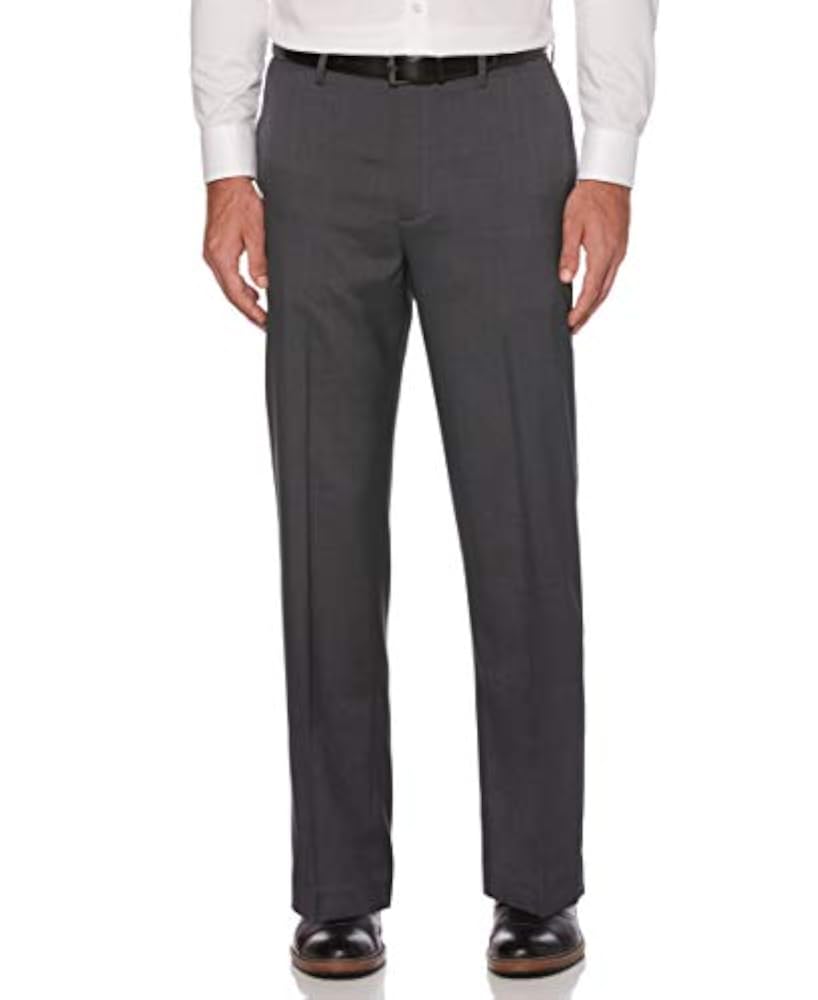
4.4 out of 5 from 124 ratings
$64.99
Waist 50 to 50, inseam 32 to 32